
WARDOGS cash system
WARDOGS cash system
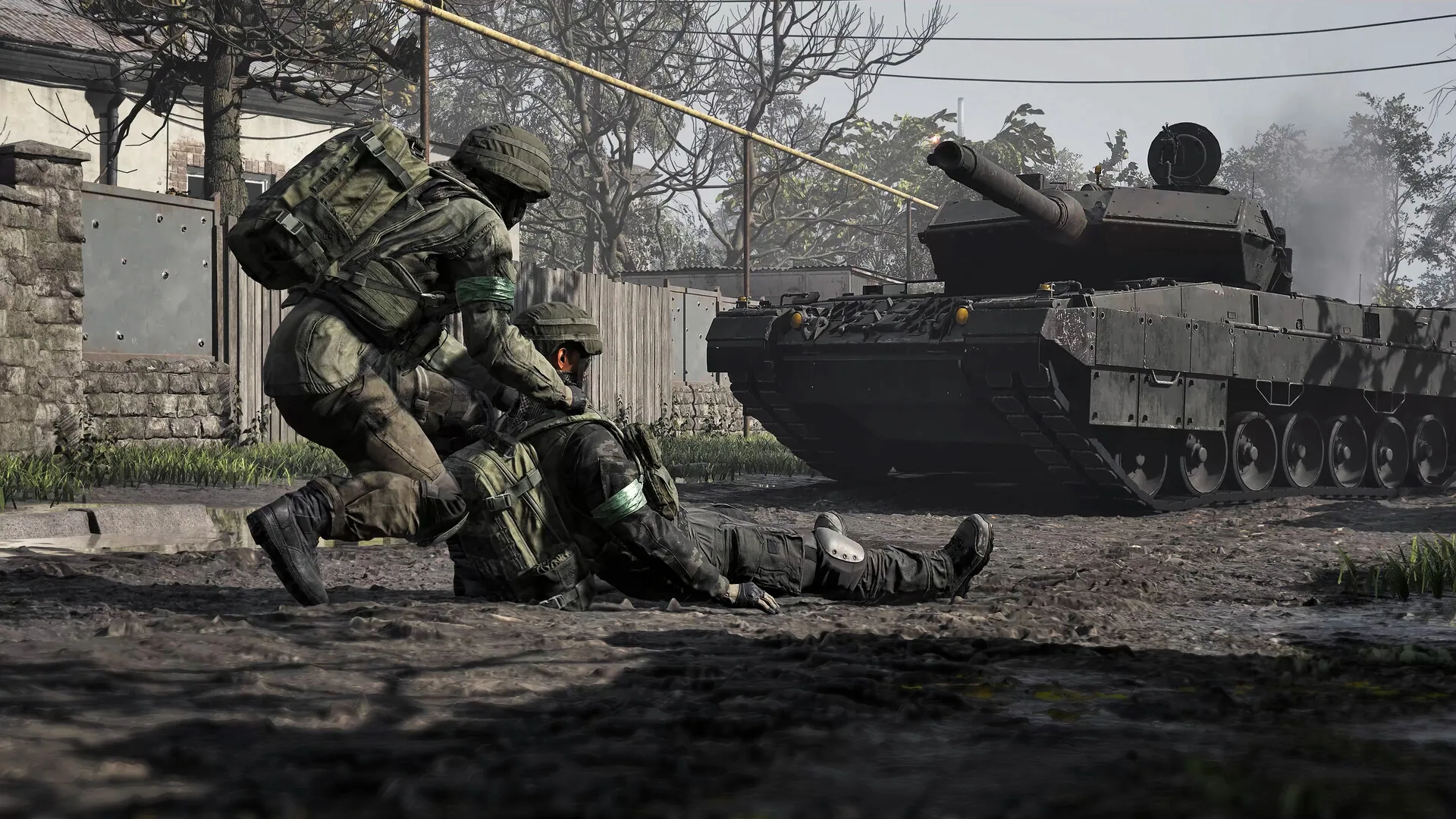
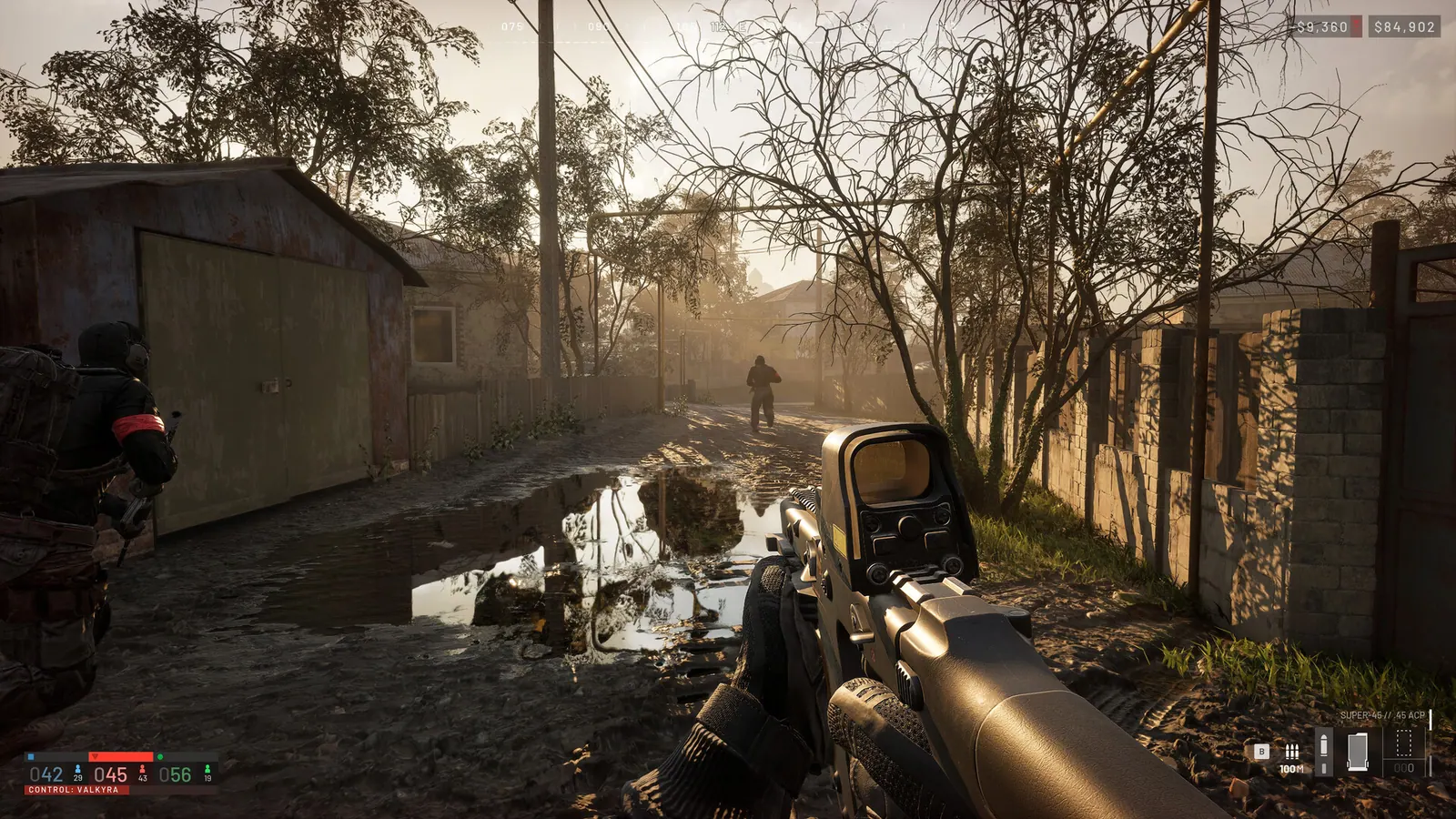
Persistent Cash is the resource layer that follows a player’s decisions beyond one life. The public description starts every player at 10,000 dollars and connects cash to equipment, revives, transport and objectives. This ledger treats money as a tactical choice: spend when it creates a new route for the squad, preserve it when a later life needs more flexibility, and use Hot Zone information to judge whether a double-cash opportunity is worth the exposure. The confirmed earning examples are rescue, transport and objective actions, so the balance is tied to team movement rather than a detached shop screen.
STRUCTURED ECONOMY RECORD
Cash decisions between lives
A starting balance is a planning tool
The 10,000-dollar starting balance gives a new player a concrete reference point. It is not a promise that every purchase has the same price or that the best opening is to spend the full amount. The useful question is what the balance allows the player to attempt. A loadout can support a push, a revive can preserve a squad’s position, transport can shorten a route, and an objective can convert danger into both score pressure and income.
Because the resource is described as persistent, the choice continues after a life ends. This gives a failed push a second dimension. The team may have lost ground, while the player may also have reduced the options available for the next deployment. That does not make caution automatically correct. A saved balance that never changes a match is not helping the squad; the decision is whether the spend creates a meaningful action before the next control-zone rotation.
Use the opening balance to run a small experiment. Spend on one choice that supports the responsibility you selected in the Ready room, then track what happened. A support player can compare a revive-focused spend with a personal equipment spend. A pilot can compare the value of arriving quickly with the value of preserving funds. A builder can judge whether a forward position changes the squad’s approach.
Where cash comes from
The confirmed earning examples are actions that help a team function: rescues, transport and objectives. That is important because it keeps the economy connected to play rather than isolating it as a menu screen. A rescue can keep a teammate in the fight, transport can make a distant rotation possible, and an objective can put the team closer to its 100-point win condition. The exact payout table is not part of the current public record, so the action is the reliable fact.
Hot Zone is the sharper version of that exchange. It is described as a high-risk, double-cash area, which makes the reward legible without defining every combat rule around it. A player entering a Hot Zone should ask whether the squad can cover the route, whether the score needs the pressure, and whether the cash will fund a later action. Double cash is an invitation to calculate, not a command to sprint into danger.
A team can also distribute economic value through roles. The person who carries a teammate, marks an approach or opens a position may create a better earning opportunity for someone else. Cash therefore rewards coordination even when the visible result is a score change or a safer rotation.
Spend between lives, not outside the match
The practical unit of the cash system is the gap between lives. That is where a player can decide whether to restore the previous plan, adjust the loadout, fund movement or save for a later objective. Treat the next life as a new question: what does the current Control Zone demand, and what can the team already provide? A purchase that repeats yesterday’s plan may be wasteful if destruction has opened a different lane or a vehicle has changed the timing.
The economy also gives failure a readable consequence. If a player spends for a risky push and loses the position, the next choice can be more conservative or more coordinated. If a rescue keeps a squad alive long enough to hold a majority, the same system rewards a support action that would not appear in a simple elimination tally. The public material supports that connection while leaving exact costs for the game’s live build.
Do not treat the ledger as a promise of a complete store. The current facts support cash, equipment, revives, transport, objectives and Hot Zone rewards. They do not publish every item, weapon price, inventory screen or progression unlock. Keeping the decision surface narrow makes the confirmed loop more useful.
Cash and Control Zone pressure
Control Zone sets the economic clock. A team that holds the majority earns progress toward 100 points, while the opposition can force a new rotation by contesting the active area. Cash changes how a player reaches that contest. Transport can compress distance, a revive can preserve a foothold, and a loadout choice can let an observer or support player stay in the lane longer. None of these actions replaces team timing; they make a chosen timing possible.
The 2x2 km zone is small compared with the 256 km² battlefield described for the overall setting. That difference explains why cash decisions may be about logistics rather than raw firepower. The team needs people and tools at the correct point, not only stronger equipment somewhere else. A player who spends to move a squad into the right approach can create more value than one who buys a better option after the moment has passed.
Watch the score before committing to a cash-heavy route. A team far ahead may use resources to deny the next contest, while a team behind may need to accept a Hot Zone risk or a difficult transport run. The public rules support the objective and score; the exact best move remains a match-specific decision.
A five-line cash review
After a life, write down the balance you had, the action you funded, the teammate or objective it supported, the result of the route, and the next option you preserved. Those five lines keep the system attached to evidence from play. They also expose a common mistake: spending because money is available, then discovering that the purchase did not change the squad’s position or timing.
A good review can lead to a different role on the next life. A player who spent on a rescue may discover that support is more valuable than an isolated attack. A player who used transport to reach an objective may want to learn piloting. Someone who held cash for a later push may become the person who calls when the team has enough to make a decisive rotation. Persistent Cash makes those preferences visible over several lives.
Use the Loadout Ledger for the confirmed action categories, Squad Roles for contribution patterns, and Control Zone for the score that gives the spending urgency. The official Steam page remains the place to confirm live product text as the release approaches.
The boundary of the current record
Cash is confirmed as a starting resource and an ongoing tactical system. The public material ties it to lives, equipment, rescue, transport and objectives, and identifies Hot Zone as double cash. It does not supply a full pricing catalogue, a complete list of purchasable objects, or a final economy balance. That boundary is useful because it tells a player what can be planned now and what should be tested in the current build.
The same boundary applies to future metagame language. Black Market & Vault and Player Skills & Challenge System are listed as planned directions connected to Early Access & Beyond, not as cash-store records. Keep those ideas separate from the match economy until official details give them a concrete rule. A player can prepare by learning how to earn and spend during a life without inventing a progression path.
For the next deployment, carry one cash question into the Ready room: which spend would help the team reach or hold the next Control Zone? The answer should be visible in movement, support or score, and it should leave a clear result for the next life.
OFFICIAL RECORD TRAIL
Use the official store link for the current access surface, then take the ledger into a live match as a decision record.