
WARDOGS systems
WARDOGS systems
SYSTEM REGISTER
Eight records, one route spine
Control Zone
Contest zones, build majority control and move toward 100 points.
Persistent Cash
Use money between lives for equipment, revives, transport and objectives.
Combined Arms
Connect infantry, transport, fire support and terrain.
Building / FOB
Create a forward position that supports a real route.
Destruction
Change routes and sightlines as the environment shifts.
Local Voice Chat
Coordinate with nearby players who can act immediately.
Player Choice
Choose tactical conduct without a fixed rule of engagement.
Closed Beta Access
Follow Steam preorder, request-access and community paths.
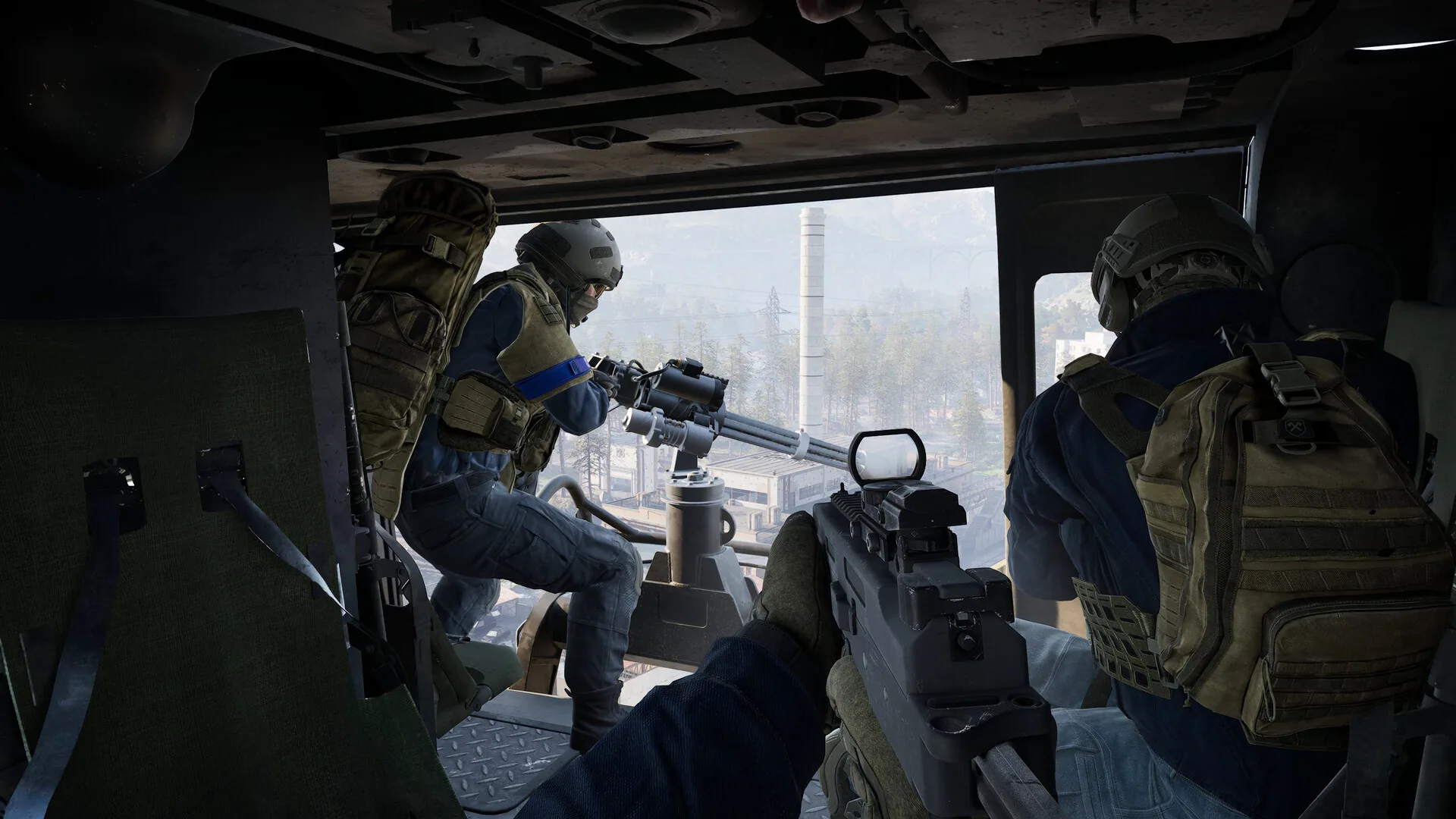
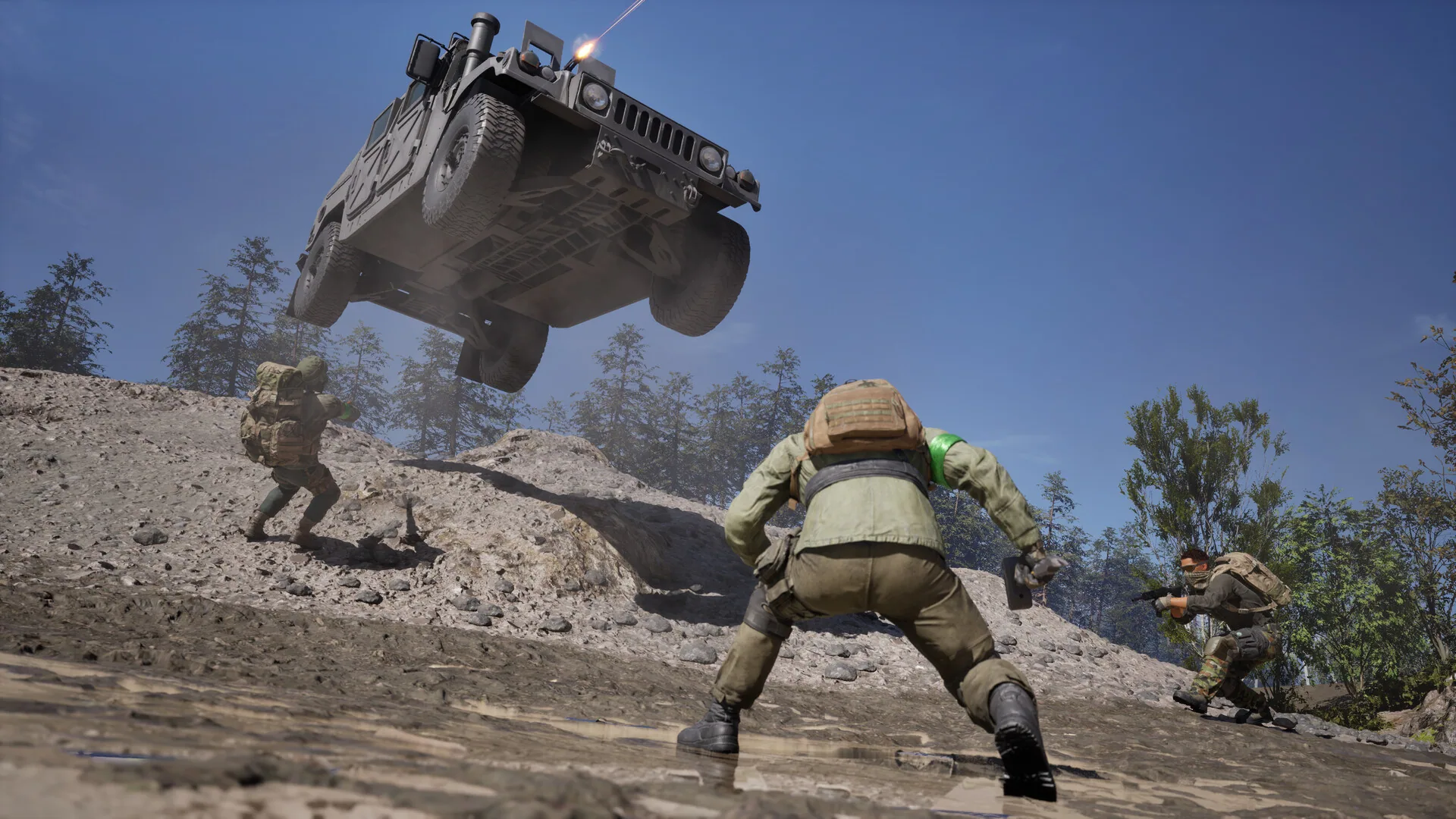
Operations is the compact system index for WARDOGS. Its eight structured records cover the objective, economy, combat, construction, battlefield change, communication, player choice and access path that shape a first deployment. Use the category filter to narrow the register, then open a row for the route where the system has a full player-facing explanation and its confirmed media context. The register is designed for a live squad question, so each row names the next useful decision rather than presenting a disconnected glossary.
The match loop in eight records
Control Zone supplies the match’s visible objective: teams contest randomized zones, seek majority control and work toward 100 points. Persistent Cash supplies the resource loop: players begin with 10,000 dollars and make choices around lives, equipment, revives, transport and objectives. Combined Arms supplies the battlefield relationship between infantry, vehicles, fire and terrain. Those three records are the shortest route from first spawn to a readable team task.
Building and FOB construction add a forward-position decision. Destruction means the battlefield can change routes and sightlines. Local Voice Chat adds proximity to coordination, so a call is strongest when the nearby players can act on it. Player Choice describes the sandbox frame: the public language does not impose a fixed set of rules of engagement on every squad. Together these records explain why a match can support different responsibilities without requiring a fixed class list.
Closed Beta Access is the access record. It connects testing to Steam preorder or request-access paths and official community information. This belongs in Operations because access determines which build a player can actually experience. The Launch Brief and Field Notes carry the date and platform context around it.
Filter by the decision you need
Use the mode filter when the question is “where should the team be?” Control Zone and its dedicated record hold the five hard facts about scale, teams, area and win condition. Use economy when the question is “what can the next life afford?” Persistent Cash and the Cash Ledger explain the starting balance, earning examples and risk. Use combat when the question is “how does the squad arrive and apply pressure?” Combined Arms and the vehicle table provide the route.
Construction and battlefield categories answer environment questions. Building / FOB is about a forward point, while Destruction is about changing the route that point protects. Communication and sandbox categories answer coordination questions: local voice keeps calls near the people who can act, and player choice leaves room for the squad to decide its own conduct. Testing is the route to access rather than a match mechanic, but it remains a player task.
The filter is a real data interaction, not a decorative category label. It updates the visible count and rows, preserves keyboard focus, and links every record to an existing planned route. No sample system is added to make the register look full; the count is the eight-record sealed set.
A system becomes useful through a pairing
Control Zone pairs with Persistent Cash when a team decides whether to spend for a contest. Combined Arms pairs with Building and Destruction when a vehicle or fire position changes an approach. Local Voice Chat pairs with every record because the tactical value depends on another player receiving the information. Player Choice pairs with the score because freedom becomes meaningful when the team still has a visible reason to move.
These pairings prevent the index from becoming a glossary detached from play. A transport player can open Combined Arms and then move to Cash Ledger to ask how the run supports the next life. A builder can open the dedicated Control Zone record to see which route the position should matter to. A new player can open Ready room before any of the technical records and return with a task already chosen.
The operations register is deliberately dense. The row gives category, name, player impact and bound route; the longer article gives the context, wording and evidence boundary.
Current facts versus open space
The system records are detailed enough to guide a first session without pretending to be a final manual for every weapon, vehicle or progression mechanic. They name what official product, Steam and publisher material supports: the score loop, cash language, combined arms, construction, destruction, nearby voice and player choice. They do not add a hidden roster, damage model, pricing table or skill tree.
That boundary is especially important in a pre-release product. Official posts can describe a planned direction while the current build still changes. The Field Notes route keeps dates and sources close to the system register, and the Progression Brief holds future-facing labels such as Black Market & Vault and Player Skills & Challenge System. A player can learn the current loop while leaving room for the game to evolve.
When the product state changes, update the route that owns the fact and keep the index as the navigation spine.
Choose a next operation
If you are new, open Ready room. If you need the match numbers, open Control Zone. If the team is running out of options between lives, open Cash Ledger. If a vehicle or fire-support question is blocking the route, open Combined Arms. If a squad cannot agree on responsibility, open Squad Roles. If a sightline or build position is the problem, open Terrain and the dedicated Control Zone record.
If the question is about the date, platform or test path, use Launch Brief and Field Notes. If it is about future layers, use Progression Brief and keep the planned labels separate from the current match. If it is a word used in chat, use Field Guide. Every path returns to a player action so the index stays connected to the battlefield.
The official Steam entry is linked on every content route for a direct state check. Use it when access, date or product language may have changed since the 2026-08-12 capture.
OFFICIAL RECORD TRAIL
Filter the register by the decision in front of you, then open the bound record and act on one confirmed system.