
WARDOGS loadouts
WARDOGS loadouts
The Loadout Ledger connects equipment decisions to WARDOGS’s persistent cash and team systems. The public facts support a 10,000-dollar starting balance, spending around lives and equipment, and rewards connected to rescue, transport and objectives. This route does not invent a weapon catalogue. It gives each confirmed choice a tactical question so a player can decide what the next life needs before spending resources. Read it after Control Zone: the best loadout is the one that lets a responsibility reach the next contest with a useful option still available.
STRUCTURED LIFE RECORD
Four loadout decision lanes
Preserve a return to the current task.
Fund the route to the active zone.
Spend for majority control and score.
Change the plan after terrain shifts.
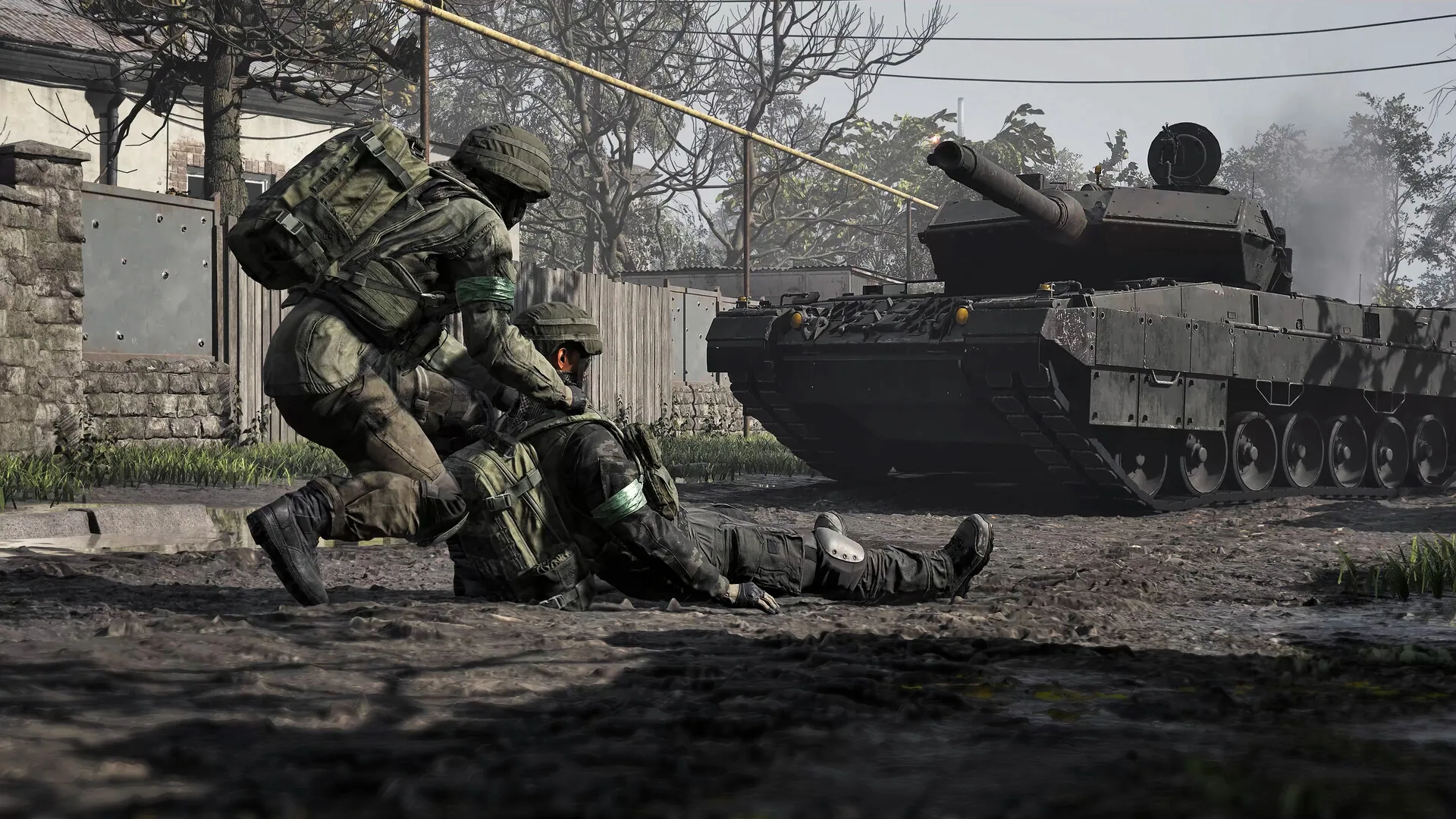
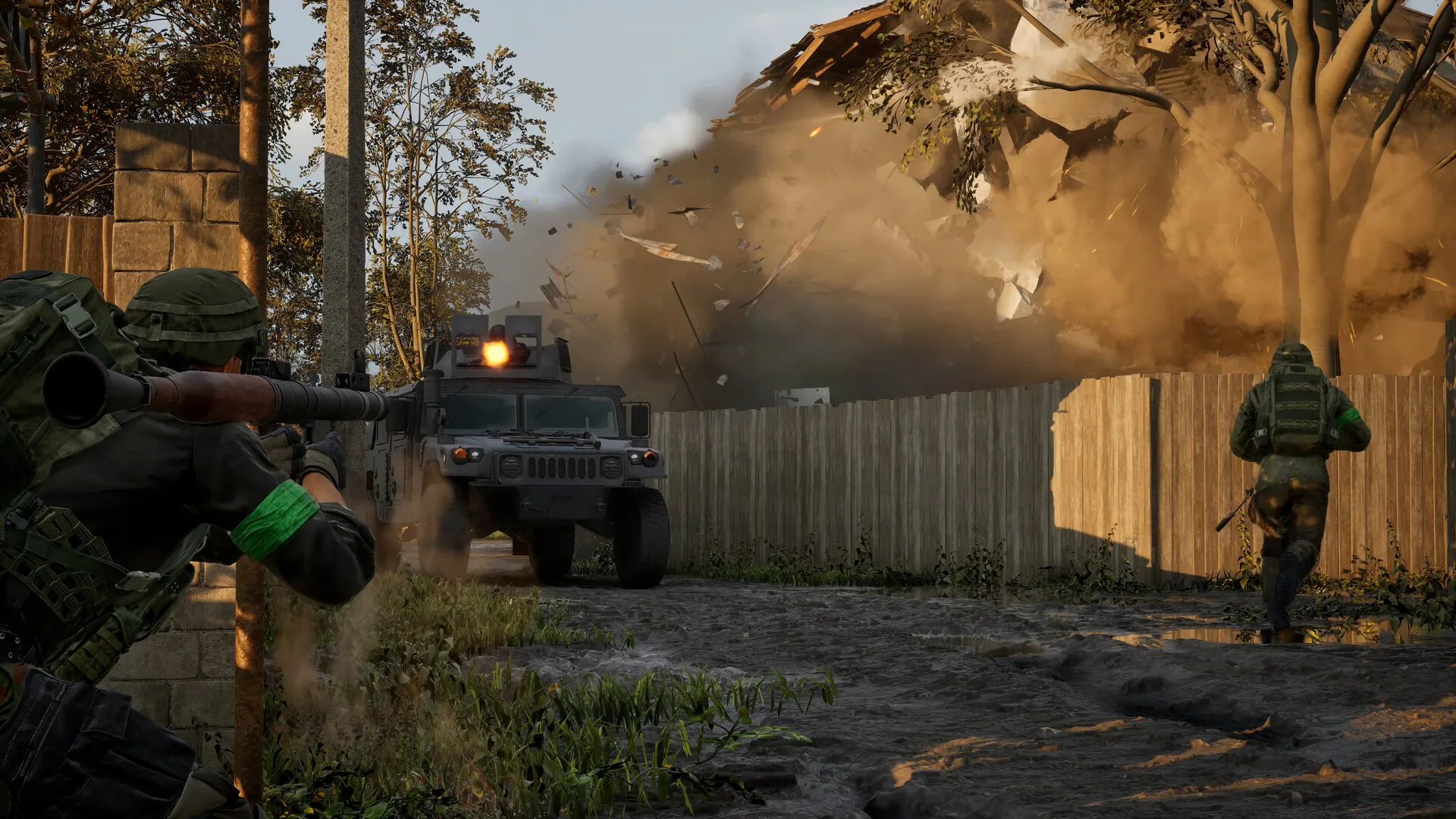
A loadout is a response to the next route
The right loadout starts with the active Control Zone, not with a universal ranking. A randomized 2x2 km zone can demand observation, movement, support or a direct contest depending on its approach. The wider battlefield is described as 256 km², so the time spent reaching the zone can matter as much as the fight inside it. Choose equipment that makes the next team action possible, then check whether the route still works after a life ends.
The public record begins players with 10,000 dollars and connects cash to equipment, lives and battlefield choices. That makes spending a form of planning. An observer may value a way to hold information, a support player may value the ability to remain near a revive, and an objective player may need a route that survives a contest. The exact item list and price table are outside the confirmed record.
A loadout decision is strongest when another role can name its benefit. If a pilot knows the squad needs to arrive and a builder knows which approach requires a forward position, the equipment choice has a shared purpose. That makes a personal balance part of a three-team, up-to-100-player problem.
Four decision lanes
The first lane is life support: preserve the player’s ability to return to the active task through positioning, rescue or revive choices. The second is movement: connect the squad to the zone through transport or a route that reduces exposure. The third is objective pressure: carry the tools or cash that let the team contest majority control and move toward 100 points. The fourth is adaptation: change the plan after destruction, construction or a new enemy approach alters the lane.
These lanes are not fixed classes. A player can move between them, and a squad can distribute them across people. A pilot can support an objective, a builder can protect a life, and a support player can turn a movement route into a sustained presence. The Loadout Ledger names the choice surface so the player can state what the next life is for.
When the team has no clear next task, preserve cash and gather information. When the score demands a contest, spend to create access or staying power. When a route has become unsafe, use terrain and destruction facts to change the approach rather than buying more of the same answer.
Cash persistence changes the reset
A life ending does not erase the economic context. Persistent Cash means the next loadout can reflect what happened before: a failed push may leave fewer options, a rescue or objective may fund a stronger return, and a Hot Zone can double the cash available for a riskier route. The important habit is to name the result before selecting the next purchase.
A player who always spends the full starting balance removes the information from the choice. Try a controlled comparison instead. Use one life to support a direct contest, then use the next to preserve cash for transport or a revive. Compare whether the team reached or held the Control Zone more reliably. This approach teaches the economy through a real consequence rather than through a fictional price chart.
The same review works for equipment. If a choice did not change a route, timing or support action, it may not deserve the same priority in the next life. That is a player rule derived from the confirmed system relationships, not a claim about a hidden balance.
Combined arms and the kit decision
Combined Arms places infantry beside helicopter transport, Littlebird movement, tanks and artillery tanks. A loadout should therefore answer how the player will interact with the squad’s mobility or fire support. An infantry observer can prepare the receiving route, a support player can keep passengers active after landing, and a builder can make the arrival position repeatable. The item is useful because it completes the pairing.
Terrain and destruction make that pairing dynamic. A long-range fire position can lose value when a sightline is blocked, while a transport route can improve after a structure is damaged. The public screenshots establish that the battlefield includes mountain, industrial and damaged-building contexts, but they do not publish a universal map. Test the kit against the live route.
Use the vehicle table for confirmed platform roles and the Terrain route for scale and route questions. Keep the Loadout Ledger focused on the decision a player can make between lives.
An equipment review that helps the squad
After a match, record the loadout choice, the task it was meant to support, the teammate or objective it touched, and the moment the plan failed or succeeded. This creates a short feedback loop. If the kit helped a squad reach majority control, it has a clear result. If it only made a distant fight feel safer without changing the score, the next life may need a different role or a different route.
The review also stops players from confusing future progression language with current loadout information. Black Market & Vault and Player Skills & Challenge System are planned directions, while the confirmed current record concerns cash, lives, equipment, rescue, transport and objectives. Keep a future idea in the Progression Brief until an official update provides a concrete rule.
For the next deployment, bring one equipment question into the Ready room: what will this choice let another player do? A clear answer makes a loadout a team tool instead of a private shopping decision.
OFFICIAL RECORD TRAIL
Choose the next life around a task, a route and a teammate who can use the opening your cash creates.