
WARDOGS squad roles
WARDOGS squad roles
WARDOGS gives a large team battlefield several useful responsibilities without publishing a fixed class roster. The five playstyle records cover infantry and observation, support and revival, transport and piloting, building and engineering, and objective or cash play. Choose a role by the task your squad needs next, then use the linked systems to connect that task to Control Zone score and Persistent Cash. Local Voice Chat makes the choice practical because a nearby teammate can respond to a clear call before the route or score state changes.
STRUCTURED PLAYSTYLE RECORD
Five useful responsibilities
Infantry / observation
Scout, engage and give the squad information.
Tactical gunplay, Ghillie and sniping examplesSupport / revival
Keep teammates active and preserve a position.
Rescue actions can produce cashTransport / piloting
Carry people and resources to the useful route.
Helicopter transport and combined armsBuilding / engineering
Create a forward position and change an approach.
FOB building and battlefield constructionObjective / cash
Trade route risk for score and resource value.
Objectives and Hot Zone rewards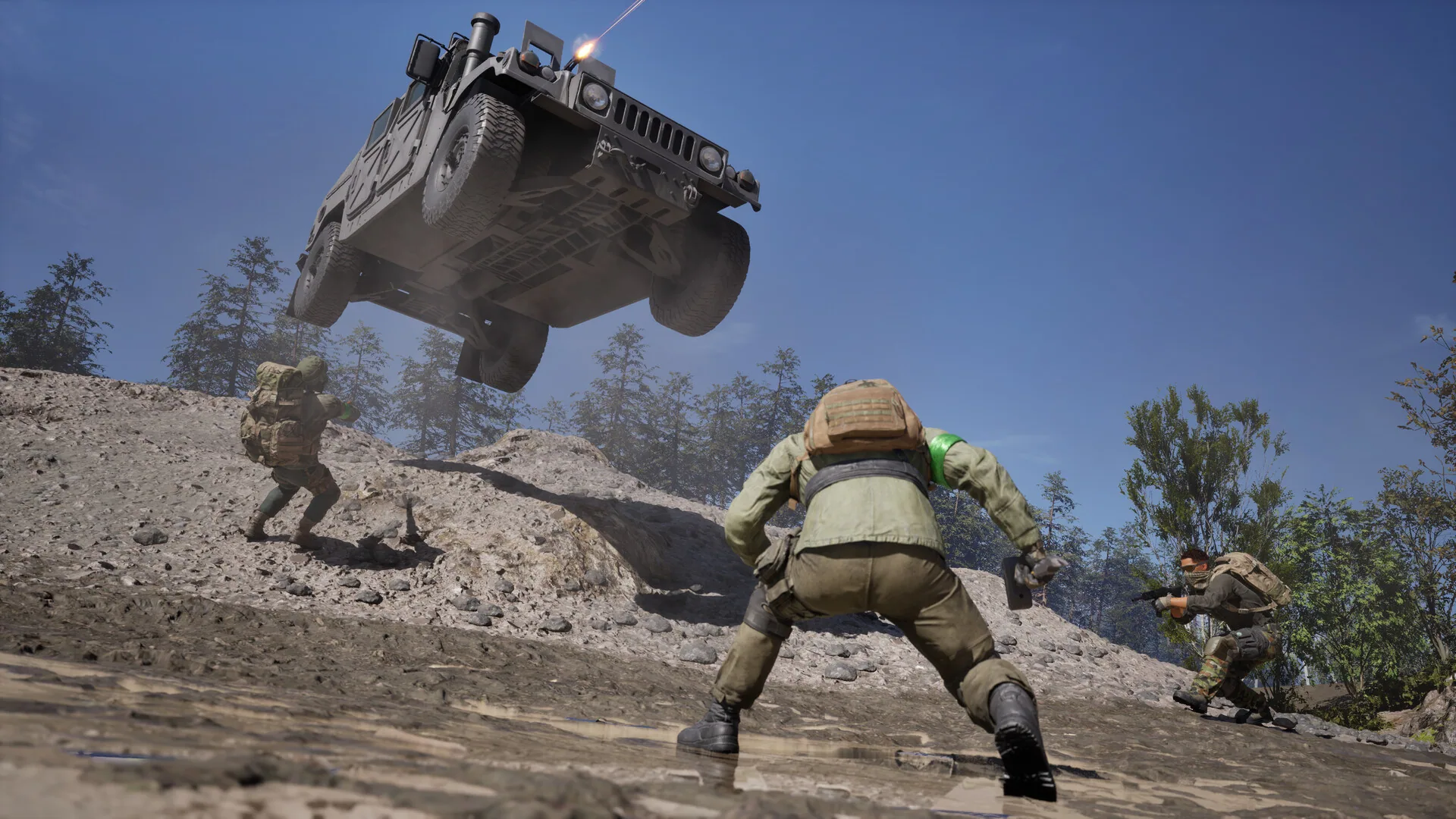
Infantry and observation
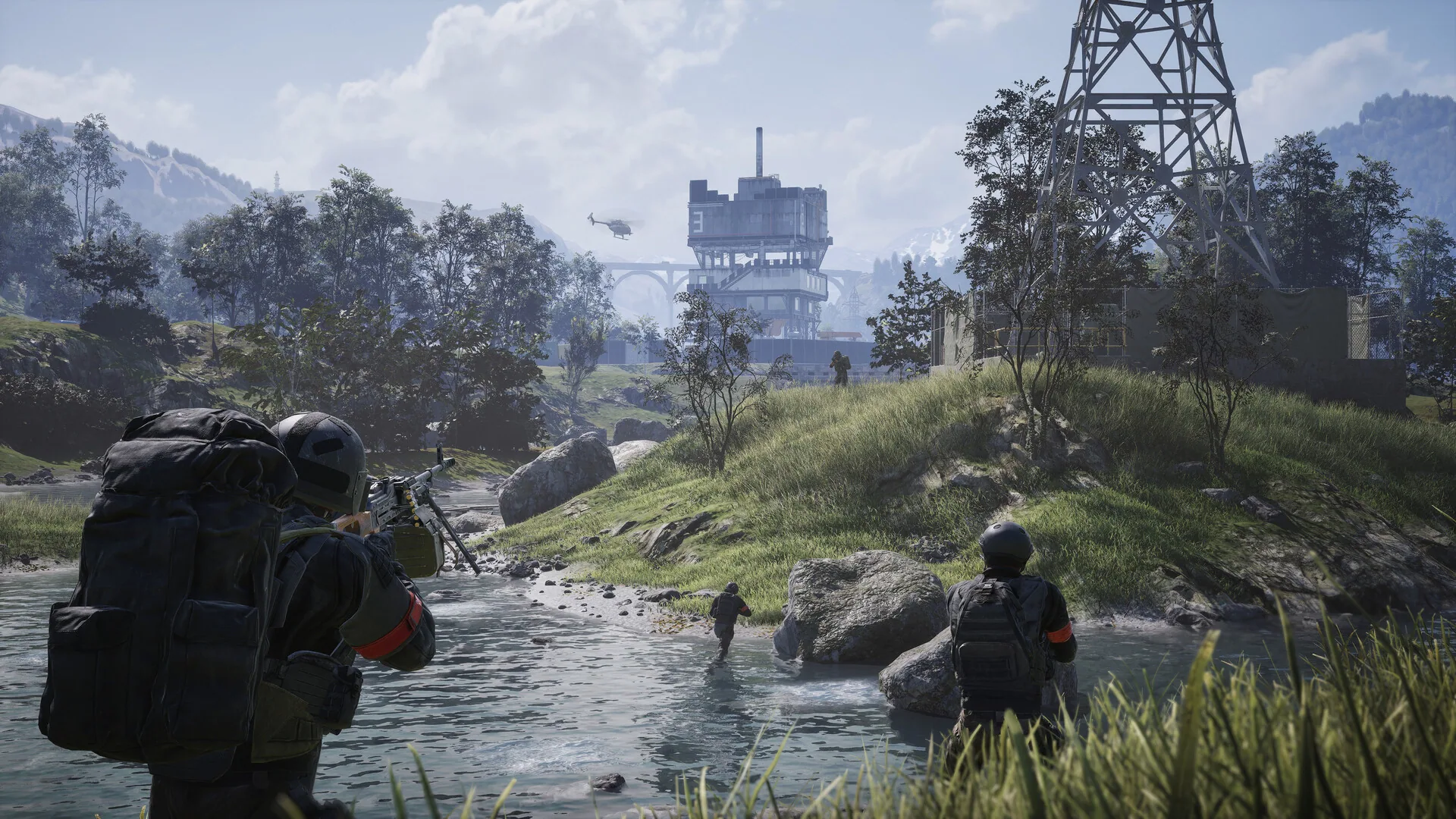
Infantry and observation are the information role. The player watches an approach, identifies a useful lane and helps the squad decide whether to cross, hold or rotate. Official material includes tactical gunplay, Ghillie and sniping examples, but the role is larger than a distant sightline. The observer’s value appears when another teammate can act on the information before the Control Zone contest changes.
A good observation call names a place and a consequence. Tell the pilot which route is open, tell the builder where a forward point would matter, or tell the objective player when the majority-control approach is exposed. Local Voice Chat makes nearby information especially valuable. If the squad cannot act on a sightline, reposition or share the next task instead of treating distance as success.
The cash system gives the role a decision between lives. Spend to support a useful approach when the score needs it, or preserve cash for a later contest. The role is not a fixed class; it is a way to turn seeing into movement and score.
Support and revival
Support and revival keep a team’s presence alive. The public facts connect rescue actions with cash, which makes the role more than a background kindness. A revive can preserve a position near the zone, retain a transport passenger, or keep an observer in the lane long enough to make the next call. The support player measures value in the options a teammate still has after the action.
The role needs judgment because a revive is not automatically safe. Read the score, the approach and the enemy pressure before committing. A short local call can tell a teammate to hold, cover or wait for transport. Building can provide a forward recovery point, while destruction can remove the cover that made the previous revive work.
Persistent Cash reinforces the loop. A support action can produce cash while preserving a squad member who would otherwise need a new life and a new purchase. Use the Cash Ledger to compare a rescue-focused choice with an equipment-focused choice and watch how the team’s next route changes.
Transport and piloting
Transport and piloting turn the 256 km² battlefield into a timing decision. Helicopter transport and the Littlebird are the official vehicle examples in the record. The pilot’s job is not merely to move quickly; it is to connect the right people with the right approach to the 2x2 km Control Zone. Ask who is ready to act on landing and which fallback remains if the route becomes contested.
A successful run can create score, cash and information at once. It can bring an objective player to the majority-control fight, place a builder near a forward position, or give infantry an angle that a long crossing would miss. A failed run is useful when the review names the missing field: destination, timing, cover, communication or receiving task.
Use local voice for the short call and the Combined Arms record for vehicle context. A pilot can become an observer, a delivery tool or a rescue route depending on what the squad needs.
Building and engineering
Building and engineering make position part of the team’s work. The public record names FOB building and forward-base construction, while destruction can change the same battlefield routes. A builder should therefore place a useful point rather than decorate empty ground. The best position helps a real approach, protects a recovery route or gives the squad a place to coordinate before the next Control Zone contest.
Construction also changes the way other roles operate. An observer can use a prepared angle, a support player can reach a teammate more safely, and a vehicle crew can deliver people to a position that remains useful after the first push. The role’s success is visible through the squad’s movement, not through the object alone.
The full construction catalogue is not part of the current public facts. Use the confirmed FOB and building language, then test the live build. The Terrain route helps explain the scale and cover questions that make a position worthwhile.
Objective and cash play
Objective and cash play turn movement into a resource decision. The player tracks the Control Zone, majority score and Hot Zone double-cash opportunity, then chooses whether the team needs points, money or both. A cash-minded route can fund the next life, but it can also pull a player away from a contest. The role succeeds when the trade is visible and the squad understands why the route matters.
This role connects every other role. Transport can deliver the objective runner, infantry can observe the approach, support can keep the player active, and building can make the route repeatable. The player does not need a fixed class label to be useful; the goal is to make the team’s next resource and score choice explicit.
After the match, compare the cash gained with the points or position created. If the answer is unclear, return to Control Zone and ask whether the same risk would have been worth taking for a different score state.
Choose a role for one session
Select one responsibility for a complete first session, then let the match tell you when to switch. Use the role selector to read the five records, choose the task that is missing nearby, and announce the action through local voice or visible movement. A role is useful when it helps another player decide what to do next.
The public scale makes role clarity more important than personal completeness. Up to 100 players and three teams cannot all pursue the same lane. A squad that divides observation, support, transport, construction and objective pressure can create more options than a group of identical loadouts.
Return to the Ready room after the session and record the result. Then open Cash Ledger or Combined Arms to understand the resource or vehicle decision that shaped the role.
OFFICIAL RECORD TRAIL
Pick the responsibility the next Control Zone action needs, not the label that sounds most complete.